
Movie Theater & Cinema Roofing in Greensboro, NC
Roofing for Greensboro movie theaters and cinemas; long-span auditorium decks, dense per-screen HVAC penetrations, sound-rated assemblies, and work sequenced around showtimes.
Request A Roof Walk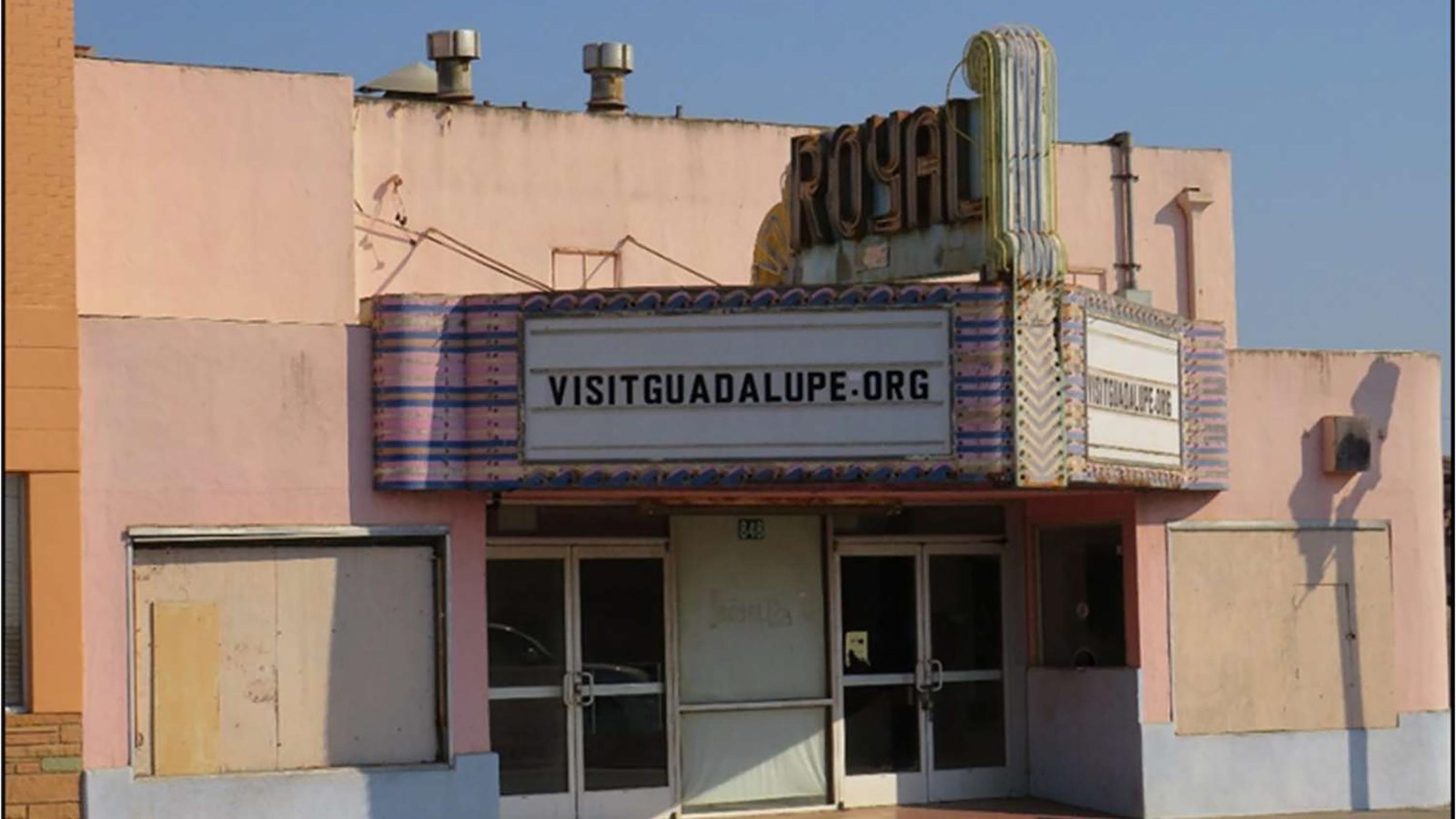
Greensboro draws moviegoers from across Guilford County and a student population pushing past 50,000 between UNC Greensboro, NC A&T, Guilford College, and Greensboro College; which keeps the multiplexes near Friendly Center, the Wendover Avenue retail corridor, and the Four Seasons/Coliseum area busy seven nights a week. We roof those buildings, and a cinema is a different animal from the retail boxes around it. Wide column-free auditoriums, a roof crowded with mechanical equipment, and a noise problem most building types never have to think about all shape how the roof has to be built.
Long-Span Decks Over Column-Free Houses
The signature challenge is structural. A stadium-seating auditorium spans wide with no interior columns, so a twelve-screen house carries roof bays running well past a hundred feet clear. Those long spans flex and deflect under wind and load in ways a short retail bay never does, and a fastening pattern copied from a strip-center spec will not hold up over them. We confirm the actual deck type, gauge, and span and design the attachment and insulation around that; fastener density, pull-out values, and whether the span calls for an adhered or hybrid approach to avoid concentrating point loads at the seams.
Knowing the Deck Before We Specify
Cinemas are usually steel deck or concrete over structural steel, and the two take membrane very differently. Steel accepts mechanical attachment directly; concrete points toward adhered systems where the loading allows. On a re-roof we pull core samples first to read the existing layers, check for trapped moisture, and find the total weight already in place before we decide between a recover and a full tear-off. Guessing at the assembly on a theater is how a recover ends up overloading a deck that was already carrying wet insulation.
Keeping the Rain Out and the Sound In
The roof over an auditorium does double duty. People paid to hear a calibrated sound system, and they did not pay to hear a thunderstorm drumming on the deck or rain noise bleeding through a thin assembly during a quiet scene. The insulation build-up over the houses is part of the acoustic envelope, not just the thermal one; mass and continuity in the assembly knock down rooftop rain noise and help isolate one auditorium from the next. We keep that in mind when we set insulation thickness and detailing over the screening rooms, so the roof we put on does not undercut the experience the theater sells.
A Penetration Field Like a Hospital
The mechanical density on a cinema roof rivals a hospital or a data center. Each auditorium often gets its own rooftop unit, and on top of that there is concession exhaust, lobby heating vents, and condensers for the walk-in coolers behind the snack bar. That is a lot of curbs, ducts, and conduit, and on a multiplex the leaks almost always begin at a sloppy curb rather than out in the field. We inventory every penetration and flash each one as its own detail before any new membrane goes over it.
Drainage and a Cool-Roof Surface
Flat theater roofs collect drainage problems over the decades, so most of our re-roofs here include tapered insulation to move water to the drains and end the ponding that shortens membrane life. A white reflective membrane over that taper also meets the cool-roof expectations now common on commercial re-roof permits and takes some load off all that rooftop cooling equipment. Where service crews walk to the units, we add walkway pads so foot traffic does not chew up the membrane.
Most Greensboro multiplexes sit on busy retail pads with shared parking and customer traffic right up to the doors, which makes getting material and crews onto the roof its own problem. There is rarely a quiet back lot to stage from. We plan crane and hoist positions, debris removal, and material staging around the parking flow and the entrance, schedule the loud and disruptive moves for off-hours, and keep the lot usable for patrons while the job runs. On a recover-versus-replace call, the staging constraints and the weight already on the deck both factor in; sometimes a recover is the right answer for the building, and sometimes the existing wet assembly forces a full tear-off regardless of how much easier a recover would be to stage.
Cinemas run from matinee through the late show, so the usable work window is the morning before doors open. We sequence tear-off and dry-in so every section is watertight before the first screening, coordinate any rooftop-unit shutdown with the theater's facilities contact, and keep crews and staging clear of the entrance during evening operations. The marquee and entry-canopy tie-ins; a chronic leak source on older houses; get re-flashed as part of the job.
Movie Theater Roofing Questions
Three things: wide column-free auditorium spans that flex under load, a roof crowded with per-screen HVAC and concession equipment, and the need to control rain noise so it does not bleed into the auditoriums. A spec copied from a strip center handles none of those well, so we design attachment, penetration detailing, and the insulation assembly specifically for the theater.
We confirm the actual deck type, gauge, and span and design fastener density and pull-out around it, since long spans deflect far more than short retail bays. Where deflection is a concern we may use an adhered or hybrid system to avoid concentrating fastener point loads at the seams.
Yes. The insulation build-up over the houses is part of the acoustic envelope; mass and continuity in the assembly cut rooftop rain noise and help isolate one auditorium from the next. We account for that when setting insulation thickness and detailing over the screening rooms.
No. We work the morning window before doors open, dry in every section before the first show, and coordinate any rooftop-unit shutdown with your facilities contact. Crews and staging stay clear of the entrance during evening operations.
Yes. Every point where the marquee or entry canopy penetrates or ties into the roof is treated as its own flashing detail. Those canopy-to-building transitions are a common chronic leak on older theaters, so we re-flash them as part of the project.