
Mixed-Use Development Roofing in Greensboro, NC
Commercial roofing for mixed-use buildings, urban infill developments, and live-work-play properties throughout Greensboro, NC.
Request A Roof Walk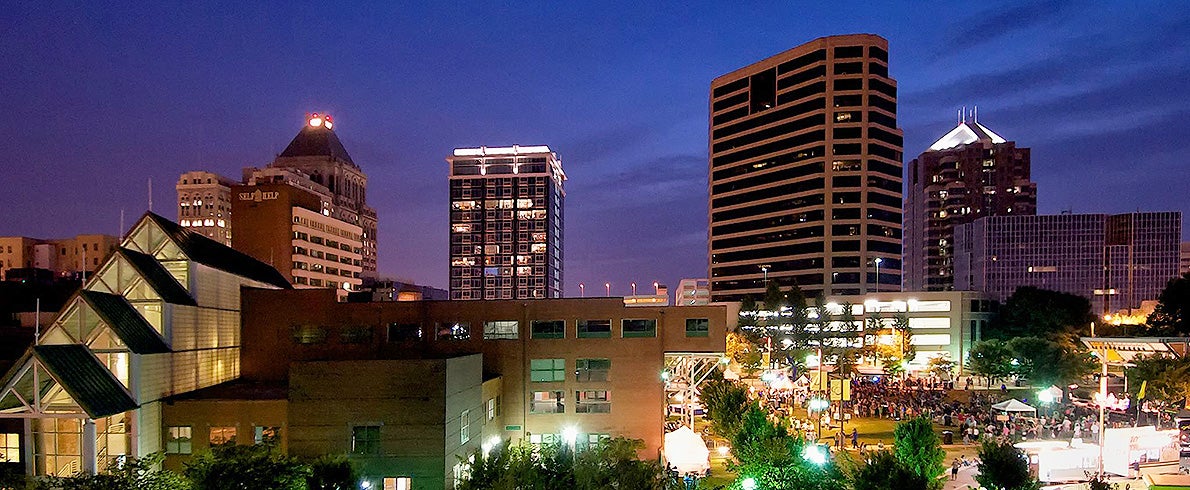
Greensboro sits at the center of the Piedmont Triad; the triangle formed with Winston-Salem and High Point; and its downtown has quietly become one of North Carolina's more interesting mixed-use development zones. The LeBauer Park area has catalyzed investment in adjacent blocks, while the South Elm Street corridor and the Southside neighborhood are seeing infill projects that combine ground-floor retail, maker spaces, and restaurant incubators with upper-floor apartments and boutique offices. Toyota's battery manufacturing facility investment in nearby Randolph County, combined with Greensboro's healthcare employment base driven by Cone Health's network, has created a professional workforce demanding urban amenities that mixed-use development can provide. Each of these projects brings roofing challenges shaped by a Piedmont climate that is genuinely four-season but not extreme in any single direction.
The Piedmont climate's defining characteristic from a roofing perspective is its variability; within a single calendar year, a Greensboro mixed-use building can experience heavy snow and ice events in January, tornado-generating thunderstorms in April, a tropical storm remnant dropping several inches of rain in August, and dry hot stretches in July that push rooftop surface temperatures above hurricanes dominate coastal Carolina or blizzards dominate northern markets, but the aggregate of these events creates a comprehensive stress profile for roofing systems. Mixed-use buildings on Greensboro's South Elm Street that have been specified for a single dominant threat; waterproofing for rain, or insulation for summer heat; without addressing the full range of climate stressors tend to develop failures at the margins of their design envelope.
Tropical storm remnants are an underappreciated threat to Greensboro's mixed-use roofing inventory. When Atlantic hurricanes weaken as they move inland and transition to tropical storms, they frequently track through the Piedmont on paths that deliver sustained heavy rain for 12 to 24 hours; volumes that can reach six to eight inches in a single event. Interior roof drains on Greensboro's mixed-use buildings must be sized for these sustained-intensity events, not just the shorter-duration convective storms that are more common. Overflow scuppers at parapet walls should be positioned and sized to handle 100-year tropical storm runoff, and the interior drain leaders should have clean-out access points to facilitate the maintenance that keeps them from accumulating debris between inspection cycles.
The South Elm Street corridor's mixed-use redevelopment includes several projects in the historic Southside neighborhood where masonry buildings are being adapted for ground-floor retail and upper-floor residential. These adaptive reuse projects frequently encounter existing roofing systems that were installed without proper vapor management; black-surface EPDM over minimal insulation, with no vapor retarder in ASHRAE Climate Zone 4A conditions. Reroofing these buildings without addressing the vapor management deficiency results in condensation forming within the new assembly, which degrades insulation R-values, promotes mold growth, and eventually leads to structural deck corrosion in steel deck applications. A full hygrothermal analysis before re-roofing specification is a prerequisite for Greensboro adaptive reuse projects, not an optional engineering exercise.
Rooftop amenity decks in Greensboro's new mixed-use apartments near LeBauer Park face a four-season operational challenge. The rooftop amenity deck that markets well in spring and summer must manage winter ice loading on paver systems, spring storm runoff from hail events that accompany Greensboro's April tornado weather, and summer UV degradation of exposed membrane sections. Paver pedestal systems with adjustable-height pedestals and positive-slope subframe assemblies perform well in Greensboro's climate because they accommodate seasonal thermal movement without displacing pavers, and the open-joint design allows rapid drainage during the intense precipitation events that accompany severe weather. Rooftop furniture anchoring systems should be designed for Greensboro's design wind speed; which includes tornado watch advisory periods; with removable or low-profile furniture as the recommended specification.
Mixed-use projects near Greensboro's Union Square and the North Elm Street corridor are benefiting from the city's investments in streetscape improvements and transit connectivity. These transit-adjacent projects are some of the most complex to reroof while occupied because the streetscape improvements have reduced curb access for cranes and material delivery vehicles. Roofing contractors working in the Union Square vicinity typically coordinate with the City of Greensboro's transportation department for temporary lane closures during material delivery windows, and must schedule crane picks during off-peak traffic hours. This logistics overhead must be reflected in project pricing; contractors who bid Greensboro downtown projects without accounting for access constraints tend to either lose money or cut corners on material handling.
Fire-rated assembly requirements for Greensboro's mixed-use buildings follow North Carolina's adoption of the IBC, with occupancy separation requirements that govern the horizontal assembly at the retail-to-residential transition. Buildings in Greensboro's historic districts that are undergoing substantial alteration; which triggers full compliance with current codes in most cases; must bring the roofing and roof-ceiling assembly up to current fire-rating standards even when the visible character of the building is being preserved. This creates an interesting challenge in buildings where the historic roof deck is an exposed wood plank system: the fire rating requirements may necessitate a concealed assembly beneath the existing historic deck, which requires structural analysis to confirm the additional load can be carried.
Green roof systems have attracted attention in Greensboro from developers pursuing LEED certification and from the city's stormwater management program, which offers incentive credits for on-site stormwater retention. Greensboro's Piedmont climate; adequate rainfall distributed reasonably throughout the year, moderate temperatures, and no extreme drought or cold; is actually well-suited for extensive green roofs using a mixed palette of native Piedmont plant species. Sedums, native grasses, and drought-tolerant wildflower mixes have performed well on Greensboro rooftop pilots associated with the city's green infrastructure initiatives. Mixed-use buildings on South Elm Street that incorporate green roof sections visible from upper residential floors have used the landscape as a marketing feature in a market where rooftop greenery is still uncommon enough to be genuinely differentiating.
Long-term maintenance for Greensboro's mixed-use roofs should be structured around the city's weather seasons. Pre-spring inspections in February address any winter damage before the April severe weather season. Post-tropical-storm inspections after any named storm that tracks within 100 miles of the city document drainage system performance and identify any membrane stress at parapet connections where sustained rain created prolonged water contact. Annual inspections in October before the winter season document overall membrane condition, parapet cap joints, and HVAC curb flashings that are the most common leak sources in Greensboro's mixed-use inventory. Owners who establish these inspection cadences proactively, rather than inspecting reactively after leaks appear, consistently report lower emergency repair costs over ten-year ownership horizons.
What information should we send before a Built-Up Roofing roof walk?
Send the building location, access instructions, roof age if known, leak photos, tenant restrictions, and any previous roof reports. For Built-Up Roofing, that lets us arrive with the right ladder, safety plan, and inspection focus.
Can Built-Up Roofing be handled while the building stays occupied?
Often yes, but the answer depends on access, odor, noise, material staging, and how much roof must be opened. We phase Built-Up Roofing work around dry-in, tenant protection, and the operating schedule below the roof.
How do we compare repair, recover, and replacement for Built-Up Roofing?
We compare evidence. Moisture, layer count, deck condition, drainage, age, and future use decide whether Built-Up Roofing belongs in a repair file, a restoration file, a recover plan, or a replacement budget.
Do you promise manufacturer certification or insurance approval for Built-Up Roofing?
No. We do not invent credentials or promise claim outcomes. We document conditions, identify manufacturer or warranty questions, and keep contractor-side Built-Up Roofing documentation tied to reviewable roof facts.
What makes Greensboro planning different for Built-Up Roofing?
The mix of PTI-area logistics, downtown redevelopment, healthcare, campuses, and older industrial buildings changes access and risk. We plan Built-Up Roofing around the actual building and the business underneath it.