
Office Building Roofing in Greensboro, NC
Commercial roofing for Class A, B, and C office buildings, suburban office parks, and downtown towers throughout Greensboro, NC.
Request A Roof Walk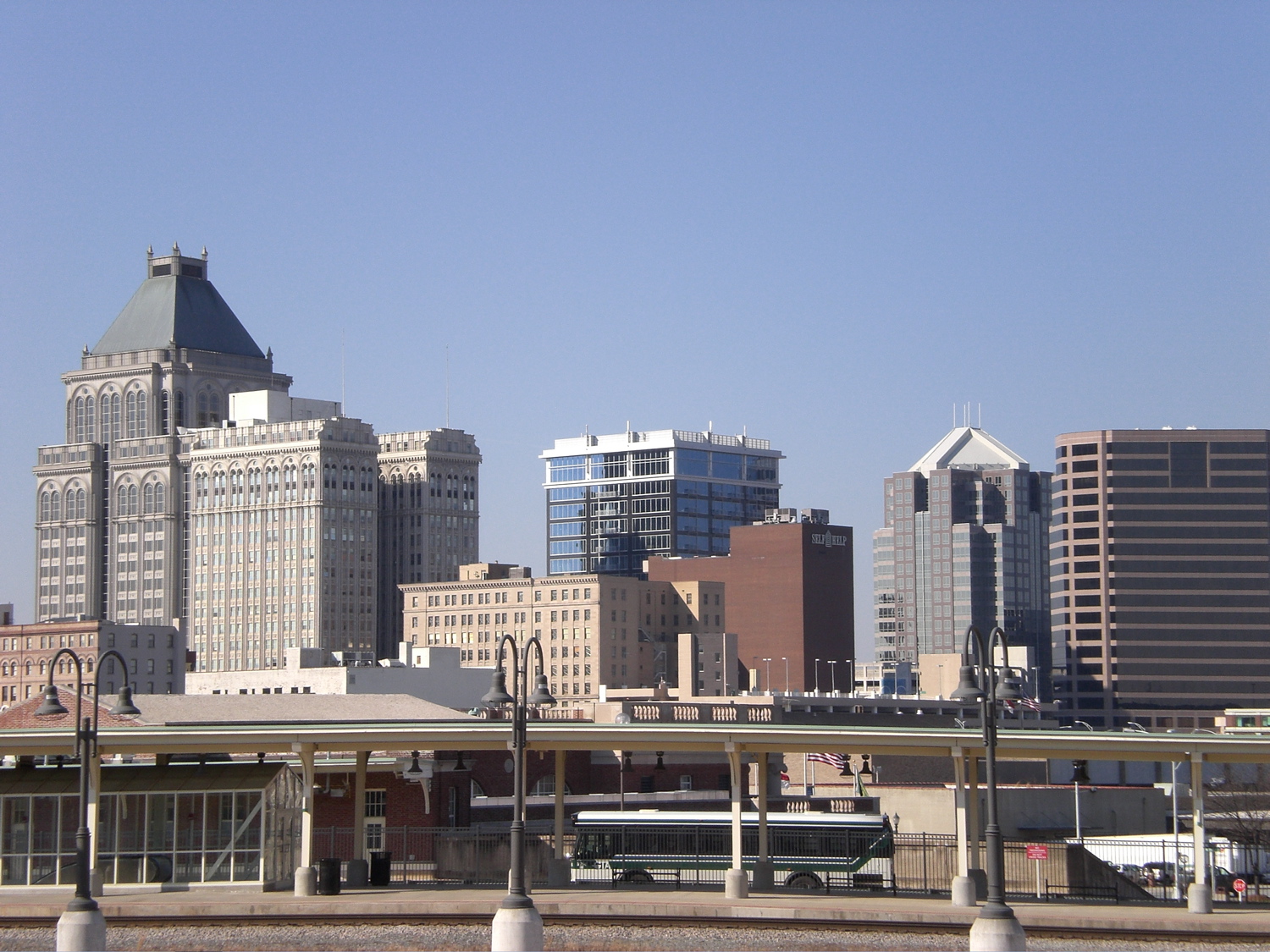
VF Corporation maintained its world headquarters at in Greensboro for decades, anchoring the city's Class A office market before its relocation to Denver, and the buildings it occupied represent a legacy of corporate-grade office construction that defines the quality standards for the Piedmont Triad's office roofing market. Today the Greensboro market centers on the I-40/I-85 corridor, with clusters of Class A and B office space in the Koury Corporate Center, Friendly Center, and downtown areas. Commercial roofing work on these occupied buildings requires the kind of careful planning and tenant-relations management that distinguishes professional contractors from those whose experience is limited to unoccupied commercial construction.
Occupied-building protocols for Greensboro office re-roofing projects must account for the Piedmont's active spring severe weather season, which can force work stoppages and create scheduling pressure just when the mild temperatures of April and May make roofing conditions ideal. Contractors working on occupied Greensboro office buildings develop contingency schedules that identify which phases of work can tolerate weather interruption and which require continuous execution once started; the open-deck phase after tear-off being the most time-sensitive. Communication protocols that allow rapid mobilization of emergency cover materials when an unexpected storm approaches mid-project are a standard part of professional project management in this market.
Green roof applications in Greensboro have found interest among the healthcare and university-affiliated office tenants that form a significant segment of the Triad's professional office market. The Piedmont's humid subtropical climate supports a wider range of green roof plant species than drier markets, and the region's rainfall pattern; distributed more evenly across the year than the wet/dry seasonality of the Florida coast; reduces irrigation requirements. Several Greensboro Class A buildings have installed green roof sections over parking decks and terraces, where the vegetated surface serves both as an insulating layer and as a stormwater management element that reduces peak runoff to the city's storm sewer system.
Multi-RTU management on Greensboro office buildings requires particular attention to the late spring and early fall seasons, when transitional weather can require both heating and cooling capacity simultaneously. A re-roofing project that sequences RTU isolations during a period when tenants need both heating and cooling capabilities; common in Greensboro's transitional spring weeks; requires careful coordination with the building's HVAC service provider to maintain comfort for all occupied spaces. Temporary portable units may be needed to serve specific tenant areas during phase transitions.
North Carolina energy code compliance for Greensboro office building re-roofing is governed by the NC Energy Conservation Code, which requires cool-roof reflectance and emittance standards and minimum insulation R-values for replacement commercial roofs in Climate Zone 3A. When more than 50% of a roof surface is replaced, the full scope must comply with current code. High-performance TPO or modified bitumen with aluminum coating meets the reflectance requirements, and insulation upgrades to R-20 or better are required where existing assemblies fall below current code minimums.
Reflective membrane selection for Greensboro office buildings provides both compliance and comfort benefits. Top-floor office suites in Class A Greensboro buildings with inadequate roof insulation frequently run warmer than lower floors during summer afternoons, creating comfort complaints from high-value tenants who occupy corner or penthouse suites. Upgrading to high-reflectance membranes with properly specified insulation eliminates this temperature stratification, improving tenant satisfaction and reducing the risk of early lease termination or non-renewal by frustrated occupants of premium floor-level space.
Lease renewal protection is particularly important in the Greensboro office market, which has experienced elevated vacancy rates as remote work trends have persisted. Building owners seeking to retain existing tenants and attract new ones have invested in capital improvements; including roofing upgrades; that demonstrate active management and improve the building's competitive position. A documented re-roofing project with a manufacturer's NDL warranty, energy improvement summary, and professional completion report is a concrete asset management deliverable that supports lease negotiations.
North Carolina contractor licensing requires a Building contractor license from the NC Licensing Board for General Contractors for commercial roofing work above certain thresholds. Specialty Roofing and Siding licensing applies to smaller scope projects. Greensboro office building owners should verify that their roofing contractor holds the appropriate license classification for the project scope and carries adequate insurance coverage; at least $2 million in commercial general liability for occupied building work, with $5 million umbrella coverage standard for larger Class A assets.
The coordination between roofing contractors and building management systems deserves specific attention on Greensboro Class A office buildings. Modern BMS-controlled buildings have automated sequences that respond to outdoor temperature and humidity conditions, and roofing work that temporarily alters airflow paths or thermal conditions at the roof level can trigger unexpected BMS responses that affect occupied suites below. Pre-project coordination with the building's controls contractor to identify any BMS sequences that might be triggered by roofing activities prevents the kind of surprise tenant complaints that damage contractor relationships with building management.
What information should we send before a Built-Up Roofing roof walk?
Send the building location, access instructions, roof age if known, leak photos, tenant restrictions, and any previous roof reports. For Built-Up Roofing, that lets us arrive with the right ladder, safety plan, and inspection focus.
Can Built-Up Roofing be handled while the building stays occupied?
Often yes, but the answer depends on access, odor, noise, material staging, and how much roof must be opened. We phase Built-Up Roofing work around dry-in, tenant protection, and the operating schedule below the roof.
How do we compare repair, recover, and replacement for Built-Up Roofing?
We compare evidence. Moisture, layer count, deck condition, drainage, age, and future use decide whether Built-Up Roofing belongs in a repair file, a restoration file, a recover plan, or a replacement budget.
Do you promise manufacturer certification or insurance approval for Built-Up Roofing?
No. We do not invent credentials or promise claim outcomes. We document conditions, identify manufacturer or warranty questions, and keep contractor-side Built-Up Roofing documentation tied to reviewable roof facts.
What makes Greensboro planning different for Built-Up Roofing?
The mix of PTI-area logistics, downtown redevelopment, healthcare, campuses, and older industrial buildings changes access and risk. We plan Built-Up Roofing around the actual building and the business underneath it.